Poker is a family of card games rather than one fixed set of rules. Some versions put players against one another; others are casino table games with a dealer and different conditions. This introduction uses Texas hold’em as a familiar example and explains what to ask before joining.
- Format
- Card game family
- Example
- Texas hold’em
- First check
- Format and house rules
A hold’em hand
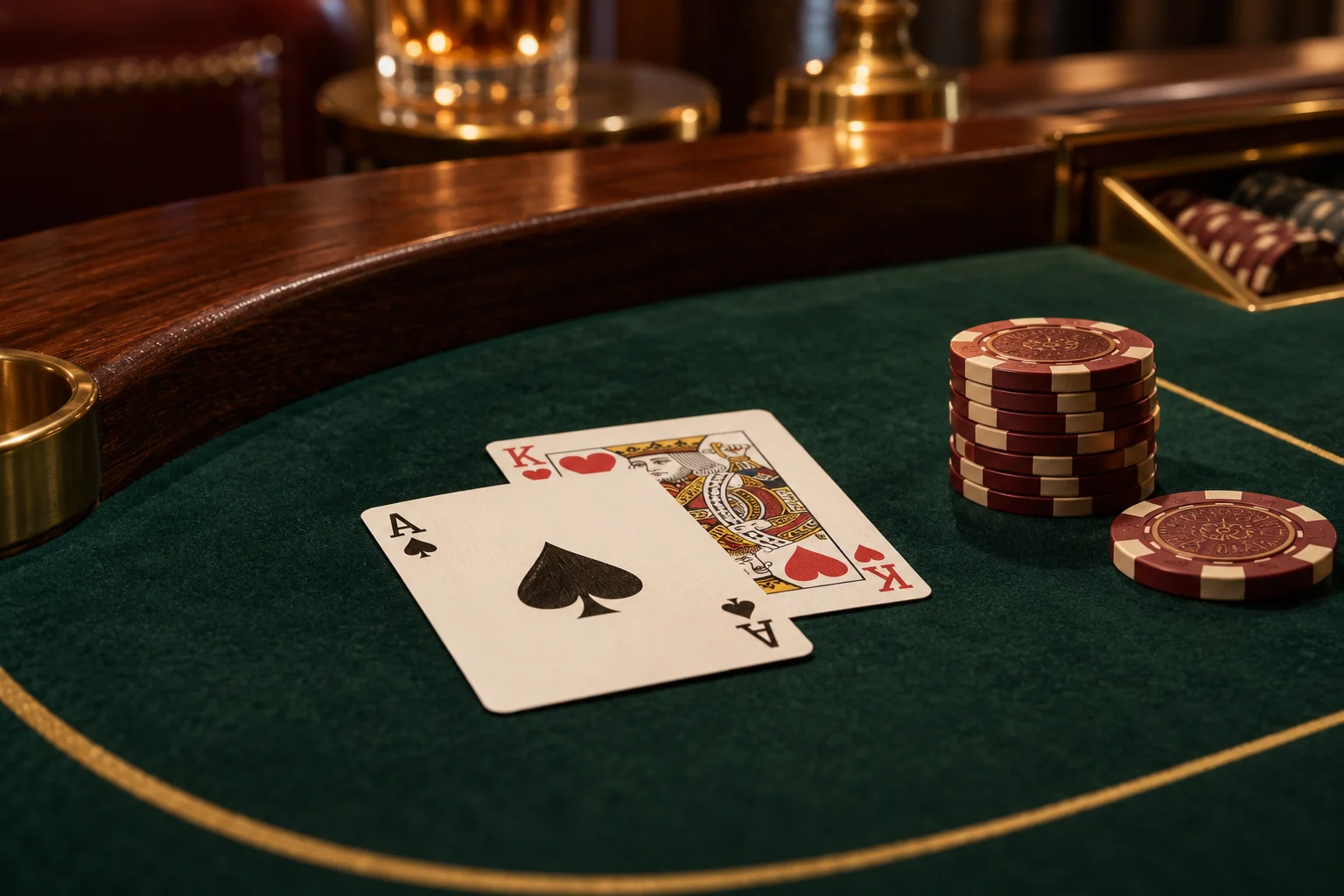
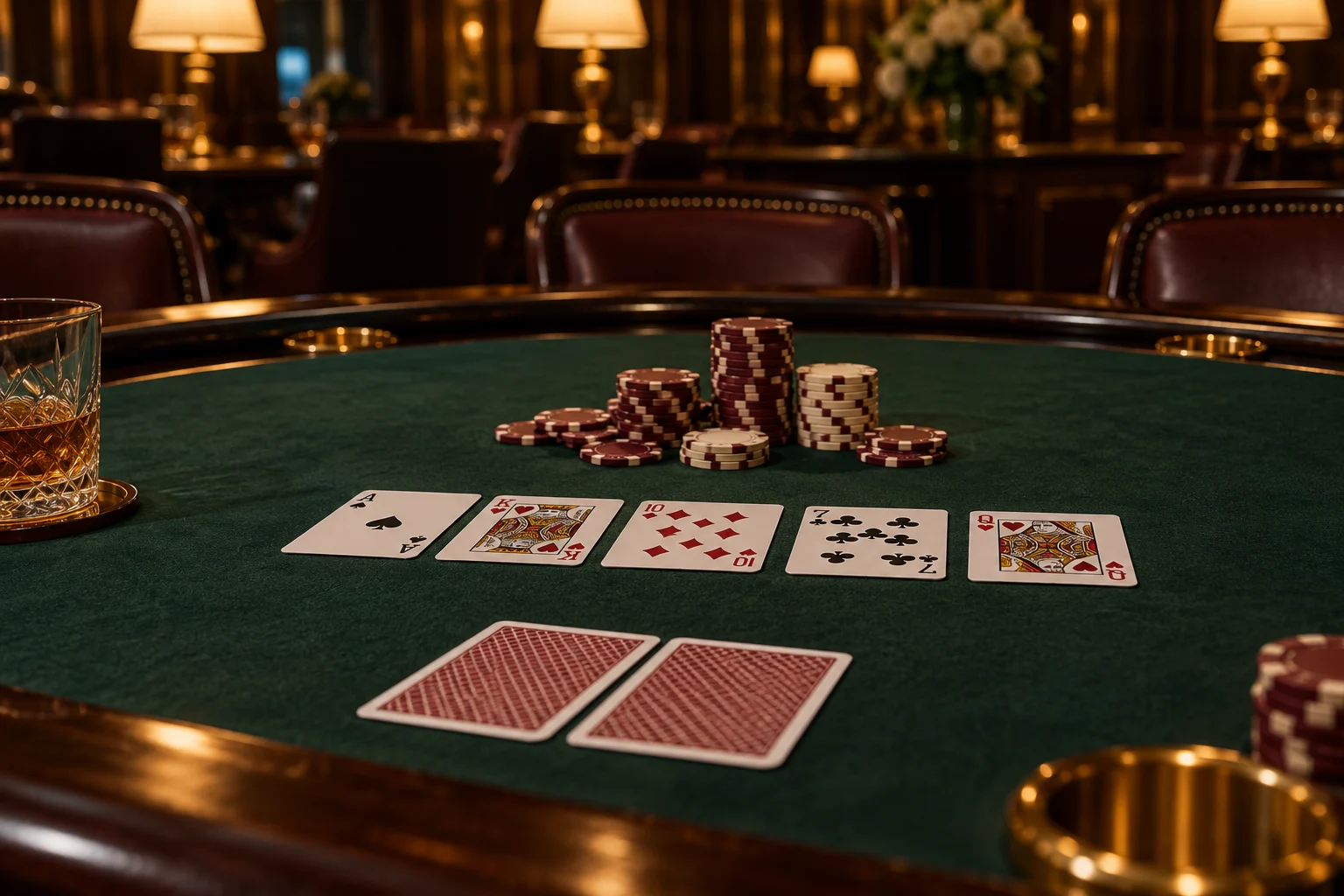
In Texas hold’em, each player receives two private cards and shares community cards dealt face up in stages. Players aim to make their best five-card hand from the available cards. Betting takes place in rounds, and a hand can end before all cards are shown if all but one player fold.
At a showdown, eligible remaining hands are compared under the rules of the game. Hand rankings are important, so consult the venue’s guide if you are new. The exact betting structure, stakes and seating procedure should be clear before you join.
The language of play
Depending on the action and rules, a player may check, bet, call, raise or fold. Checking passes the action when no bet is required; calling matches the current bet; raising increases it. Folding gives up the hand. Ask the dealer or floor staff how to announce an action and place chips clearly.
A tournament and a cash game are different arrangements. A tournament has its own entry and progression rules, while cash games use the table’s applicable stakes and procedures. Charges and conditions vary, so read them before participating.
Know which game you are joining
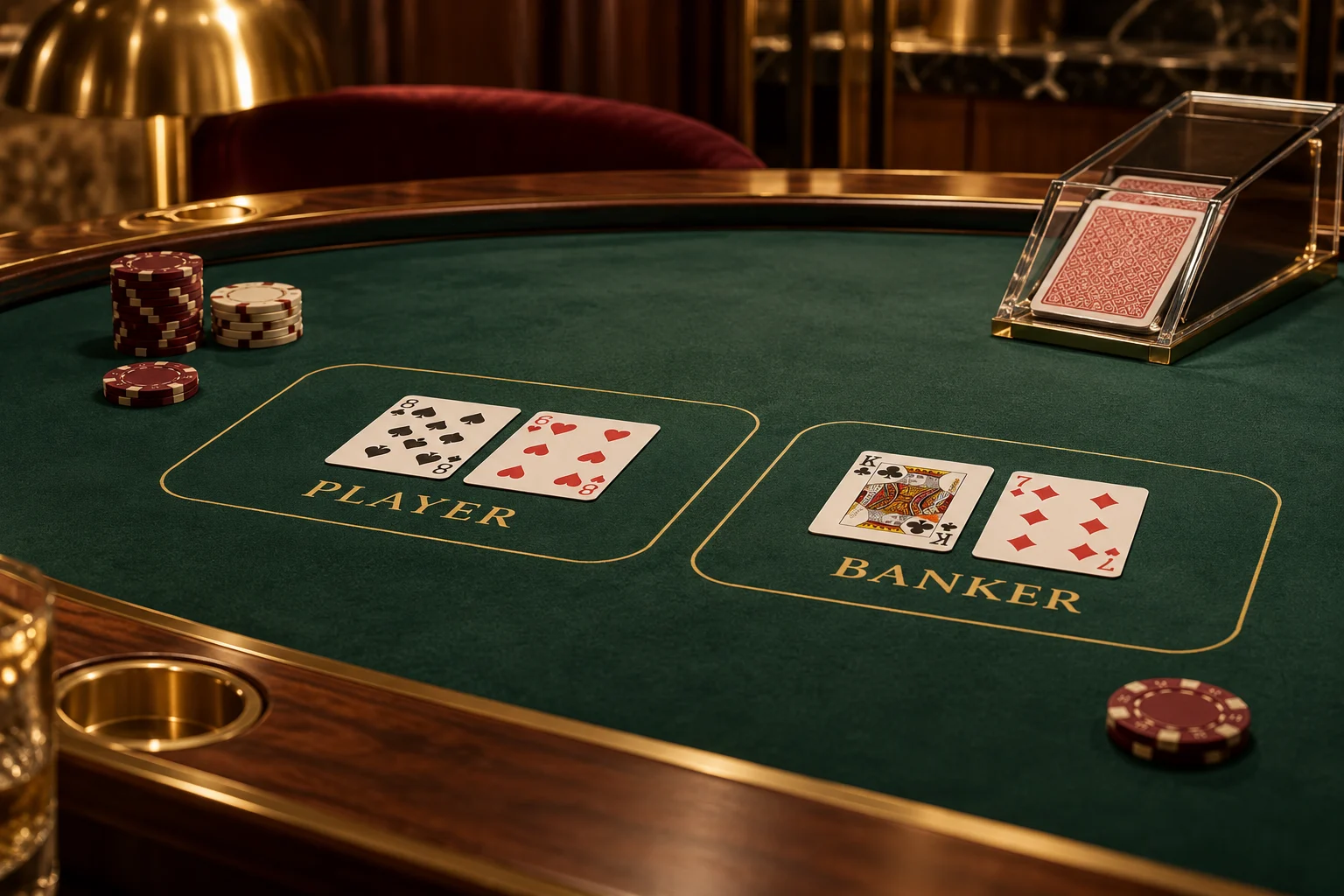
In player-versus-player poker, the other participants compete for the pot and the venue may charge according to its stated rules. Casino poker table games can instead compare a player’s hand with the dealer’s or use a separate paytable. Similar names do not mean identical rules or costs.
Ask whether the table is a live poker game, a tournament or a casino poker variant. Confirm the minimum, maximum, fees if any, and how a seat becomes available. A venue may not offer every format or run it at every time.
A respectful seat
Act when it is your turn, keep your cards protected and visible as the venue requires, and avoid discussing a live hand with someone who is still playing it. Place bets clearly and let the dealer manage the pot. If a question or disagreement arises, ask staff for a ruling.
Poker includes uncertainty and can involve prolonged sessions. Set limits for time and spending in advance, take breaks and avoid treating the game as income. Check the venue’s age, identification and accessibility requirements before visiting.
Poker questions
Is every poker game Texas hold’em?
No. Poker includes many formats, and their rules and betting structures differ.
What is a fold?
It is a decision to give up the current hand.
Is casino poker always played against other guests?
No. Some table-game variants use a dealer and a different set of rules.
General rules and etiquette. Table-specific rules take precedence. Editorial reference: OLG PlaySmart.